Library: More Than Books, The Infrastructure of Equality in a City
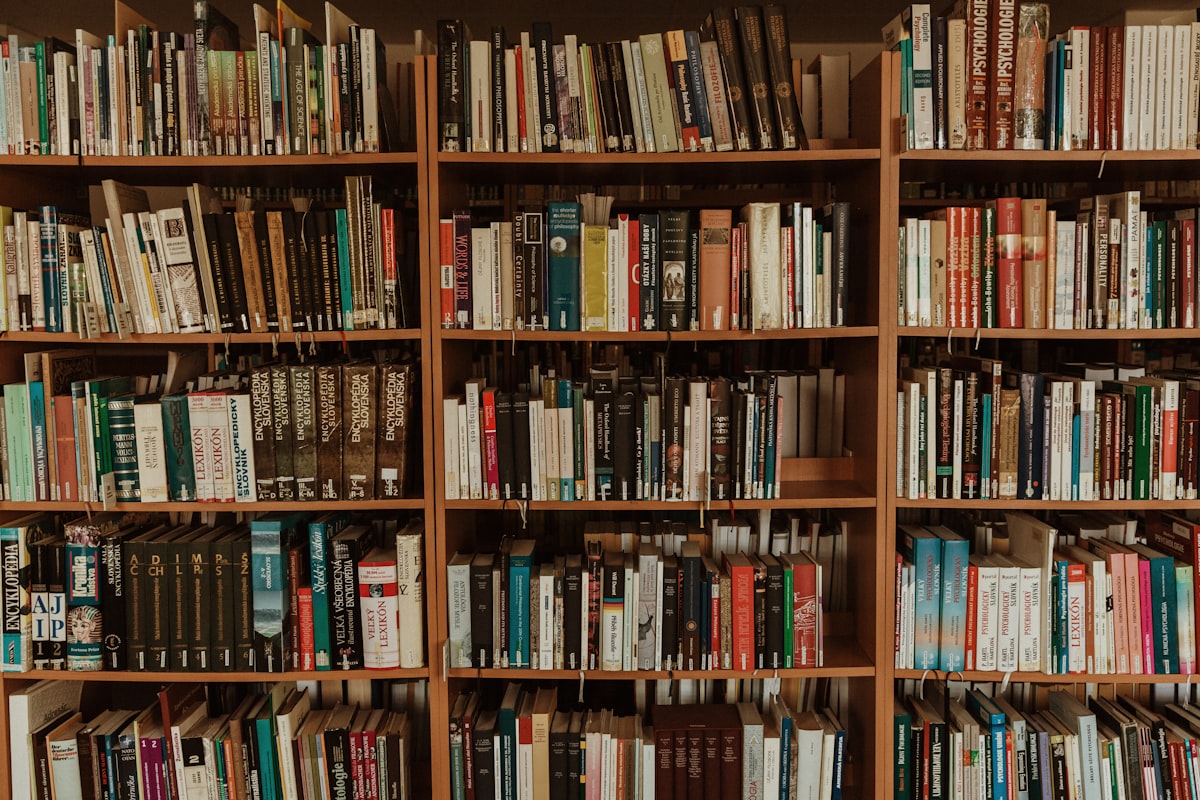
We only realize the absence of some things in our lives when we encounter them for the first time. A void we thought was normal for years suddenly makes us say “I have been deprived of this all along”. Is it possible to feel the absence of something you have never had? Sometimes, the lack of something only makes sense when you truly see its presence.
It is hard to give a clear answer to this. Because sometimes, the absence of something only becomes visible when you enter an environment where that thing is normal. For me, this awareness came, quite unexpectedly, through the library.
I have been living in the US for about eight years. During this time, I have developed new habits, learned new worries, and realized that some of my expectations do not quite match reality. But this article is not about living in the US. It is about something more concrete. It is about how the habit of going to the library can change life in a city.
How did the idea of the library start for me?
The library did not enter my life with a great enlightenment moment. It started with an ordinary conversation among friends.
One day, I asked a simple question at the table. “Which platform do you use for e-books?” At that time, I was considering getting an Amazon Kindle subscription. I was even looking for excuses to justify it. I was also checking out alternative e-book and audiobook platforms.
The answers were not what I expected. Everyone at the table, almost in unison, said library. When I mentioned the Kindle subscription, I saw a slight look of surprise on their faces, as if to say why are you paying for that.
That is when I realized. What I thought was natural was actually the last option for them. They bought books, but usually only to put their favorites on their own shelves. I thought the only way to read a book was to borrow it from a friend or to buy it.
After that conversation, I seriously started looking into library membership for the first time. What is more interesting is that libraries were already a part of my daily life. There was a library across from a restaurant we frequented. On evening walks by the beach, there was a library right next to the parking lot. Yet, for years, I had just walked past them.
Where will we work?
A while later, we received a power outage notice for our home. There would be no electricity on weekdays from 8.00 to 15.00. After the pandemic, remote work had already become a natural part of our lives. Both my spouse and I often worked from home.
There were cafes where we could work and we used to go. But that day I realized I needed a quiet and calm workspace where I could really focus. Cafes sometimes worked, but they did not always offer the ideal environment.
So we went to the library. That was the day the habit started. And it continued regularly after that.
The library was more than I thought
At first, I thought of the library as just a place to borrow books. I quickly realized that this definition was too narrow.
Soon after, I canceled my Kindle subscription. Then I joined more than one library system. My waiting times dropped to as little as two days. I could find most books quickly. For those I could not find, I started filling out request forms.
Over time, something funny but true happened. The library in my city in Southern California started adding Turkish books to its collection thanks to my requests. Within three years, I was getting most of my reading material from the library.
Then I had a child. The library became not just a workspace but also a social space. With story times and children’s activities, we started going to the library every two weeks.
How does the library make city life visible?
What surprised me most was that the library was never empty.
I remember going on weekday evenings. While everyone was out having fun on Friday night, I had to finish a project and could not find a table at the library. It was full. People of all ages were there. Some were reading, some were studying for exams, some had headphones on and were watching something from the library’s film archive.
The computer section was almost always full. Especially older people used it a lot. People were applying for things, filling out forms, handling daily tasks. The library made even basic needs like internet access available to many people.
Then I started to notice. Libraries do not just lend books. Once, I wanted to visit a nearby state park and I could get a free entry ticket from the library. They lent out board games for families. One day, I was surprised to see someone borrowing a drill from the library and thought, what does a drill have to do with a library?
When I asked the librarian, the answer was simple. Sometimes, a small need opened the door to a relationship with the library. Once inside, people did not just take a drill. They looked around, noticed something on a shelf, saw a poster for an event, and the library became a natural part of their daily lives.
Children’s activities were the same. At the story hours we regularly attended, a volunteer would read a story, and then the children would play together. This way, my child grew up with books, and I saw more clearly that the library was actually a community space. In addition, there were reading groups for those learning the language later in life, regular meetings for different groups, and various programs that made the library a living place.
Why did I not go to the library in Turkey?
After this experience, I started to wonder. Why did I not go to the library in Turkey?
I was someone who read books in Turkey, but regular library use was not part of my life. The last time I remember going to a library was in elementary school, to the one next to my school. After that, the library slowly faded from my daily life.
When I looked into it, I saw this. Even though the numbers seem to have increased in big cities, the real picture in Turkey is determined by Anatolia. In many districts and small towns, libraries either offer very limited facilities or cannot become part of the city’s daily flow. Sometimes a modern building is constructed, but because it is located outside the city, access becomes difficult. Sometimes there are books inside, but the working order, silence, or hours do not match student life. In such cases, the library stops being a service and becomes a place with a sign but no culture of use.
What can be done in Turkey?
When talking about libraries in Turkey, I think the first sentence should be this. Anatolia really needs modern libraries. By modern, I do not just mean new buildings. I mean an approach that designs the library as a living public space. A place where students can study, remote workers can go during the day, children can naturally meet books, and older people can access digital services. In short, a shared space for the city. In a place with only two tables and a few shelves for a population of thirty or forty thousand, no matter how well-intentioned, a library culture cannot develop.
For this, the most basic function must be taken seriously. The library should be a place where you can work. Details like silence, lighting, desk arrangement, outlets, and internet may seem small, but they actually determine whether you will keep going to the library. If you can work productively for two hours somewhere, it becomes part of your life. If not, you do not go back.
The second critical issue is working hours. The library should be open when people are free, not when they are not. Hours when students can go after school, when workers can stop by after work, and especially extended hours during exam periods, turn the library from just an official building open during the day into something more.
Another issue is culture and order. The library survives as much by managing the environment as by its shelves. In a place where silence is not maintained, the library loses its main promise. The staff’s communication with users, maintaining order inside, and separating different usage types without harming each other, like the idea of a quiet area, directly affect the library experience.
The digital side should not be overlooked either. A system where people can search for and reserve books, and where transfers between branches are easy, is one of the fastest ways to modernize libraries. And this is not just about comfort, it is about accessibility. Likewise, e-book and audiobook lending systems can make a big difference, especially when physical access is difficult in Anatolia.
The library is also a community space. Regular story hours for children, reading and study groups for young people, conversation practice for those learning the language later, and digital literacy support for older people. Such regular programs turn the library from just a place to sit into a place that creates a sense of belonging. People come for an event, then borrow a book. Sometimes they come for a book and see the event. This contact grows the culture.
Finally, the library needs to touch daily life more. In some places, lending games, educational kits, or simple tools may at first seem odd for a library. But it is exactly these kinds of touches that bring the library into daily life instead of keeping it distant. Every door that brings people inside increases the chance of contact with books.
Why is the library important?
For me, the library is no longer just a place to get books. It represents something broader. Access to information, the opportunity to work, social belonging, and public equality.
Maybe the simplest sentence is this. The library is a door that everyone, not just those with money, can use.
For years, I walked past that door without noticing. I did not feel its absence, because that absence had become normal in my daily life. But when I started using the library actively, I realized. Some things do not make you feel their absence until you truly see their presence.
Note: The original article was written in Turkish. This English version was generated with AI (GPT-4.1).